.png)
The Burnham Plan of Chicago stands as a clear example of an era when wealthy power players used their influence to shape the city, believing, at least in part, that their vision would serve the public good. Were they always right? Not necessarily.
The Burnham Plan of Chicago stands as a clear example of an era when wealthy power players used their influence to shape the city, believing, at least in part, that their vision would serve the public good. Were they always right? Not necessarily. But given the choice, I’ll take an ambitious parks system over another phallic rocket launched into space any day.
Long before the plan came to life, Chicago was largely a patchwork of overcrowded, underdeveloped neighborhoods. In the wake of the Great Fire, the city’s population surged, and communities expanded rapidly without much coordination. As the railways stretched outward, so did Chicago, drawing in more residents and fueling a period of intense, and often chaotic, growth.
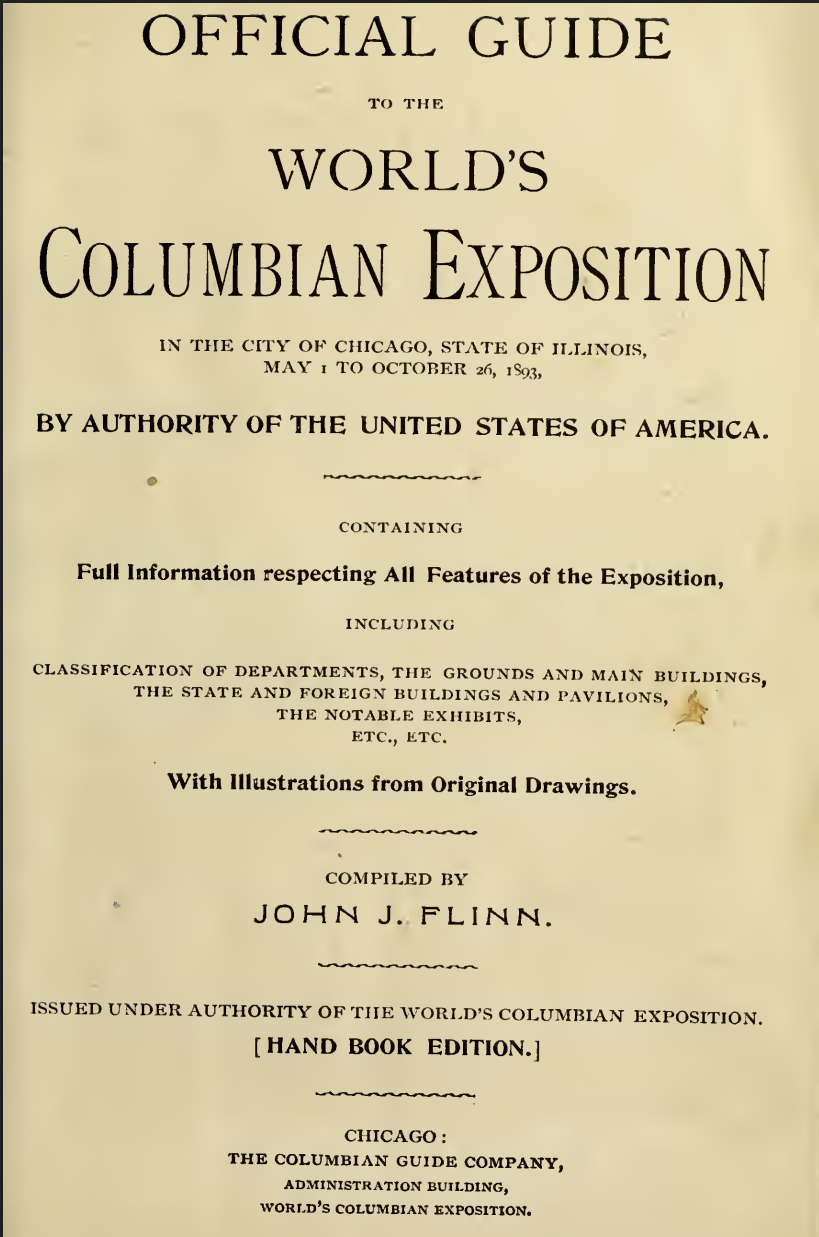
While residents of the city struggled with allocating their next meals, the wealthiest men of Chicago took to Europe and came back with inspiration. Daniel Burnham, architect, urban planner, and later lead designer of the World’s Columbian Exposition, traveled the world and came back to the US to introduce the Beaux-Arts ornamental style. When the time came for him to design the World’s Fair, he took that opportunity to create a blueprint for what he thought was possible in Chicago. He imagined a whole new city within the 690 mile confines of the Fair. Uncoincidently, buildings went up made of gleaming white plaster reminiscent of ancient Egypt, parks were expanded like those in Paris, and waterways were built to mimic the wonders of Venice. Burnham pulled from the world’s great cities, both ancient and modern, shaping a version of Chicago that reflected his ideal.
“In 1893 Burnham successfully oversaw the design and building of the World’s Columbian Exhibition on the south lakefront, popularized as “The Great White City.” Plaster facades of neo-classical buildings in Beaux-Arts ornamental style, Japanese gardens and Venetian waterways, a fairground (the original Ferris Wheel), and green-belt boulevards–the city of the future worked in practice as an integrated whole within the limited confines of Jackson Park.” - Bledstein, Burton J. UIC Department of History
Following the success of the World’s Fair, the Merchant Club, later Commercial Club of Chicago, worked to make this vision come to life. With members including Marshall Fields, George Pullman, and Cyrus McCormick, they pushed forward. Hiring Burnham to lead the charge, the plan of Chicago was under way. The Plan was reflective of the trend of City Beautiful. This belief that designing a city around upper-class aesthetics and values would inspire everyone else to fall in line.
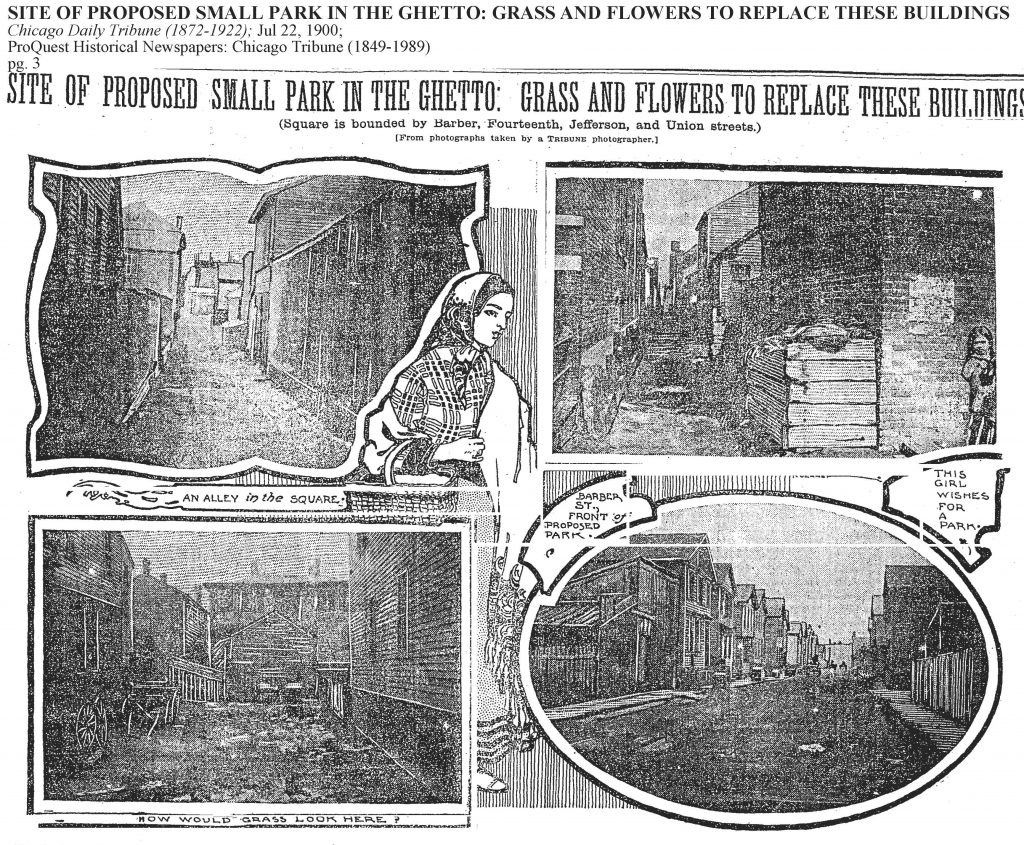
“The City Beautiful would uplift the masses out of the darkness, poverty, crime, and chaos characterized by Chicago’s West Side slum. It would raise citizens to the the level of dignity associated with engagement in shared civic beauty and public service.”
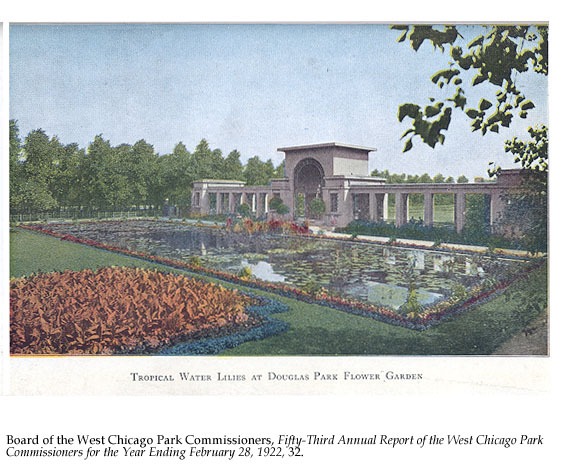
The first part of the plan was the improvement of the lakefront which was originally presented by the South Parks Commission in 1894 at a dinner at the Commercial Club of Chicago. Chicago’s motto was Urbs in Horto (City in a Garden) but until the late twentieth century, it hadn’t lived up to that tag line. Enter Daniel Burnham and friends. The improvement of the lake front started with creating a connection between Jackson Park and Grant Park through a system of Boulevards, which if you walk around the city today, you will notice everywhere. The plan for the city’s green spaces became known as the ‘Emerald Necklace’ where every 100 people would have access to 1 acre of free, open park.
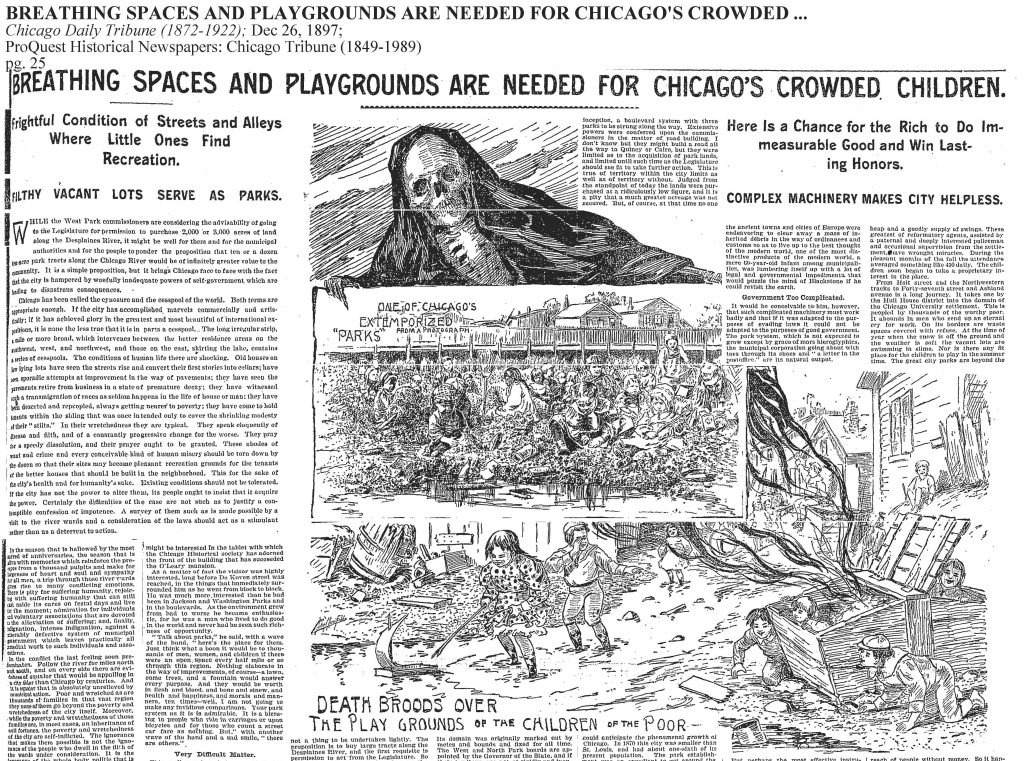
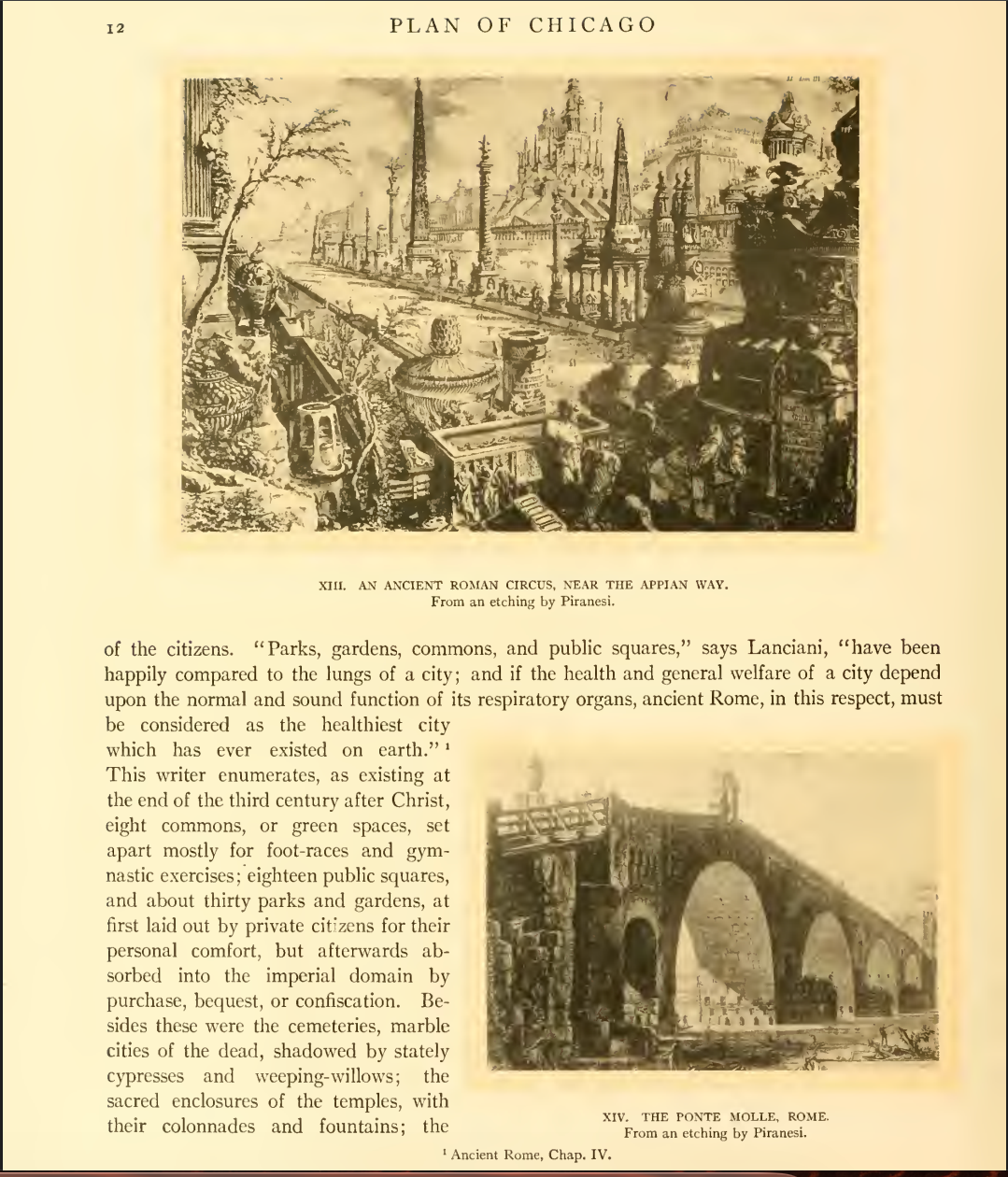
This idea was an absolute hit! The next three to four years were spent in the planning phase. In their book The Plan of Chicago, Daniel Burnham and Edward Bennett list the many meetings they had at iconic locations like the Women’s Club, the brand new Art Institute, dinners at the Auditorium theatre, all to ensure that this initial phase was executed correctly. In 1906, the Merchant Club hosted a meeting to officially present the idea at the top floor of the then new Railway Exchange Building.
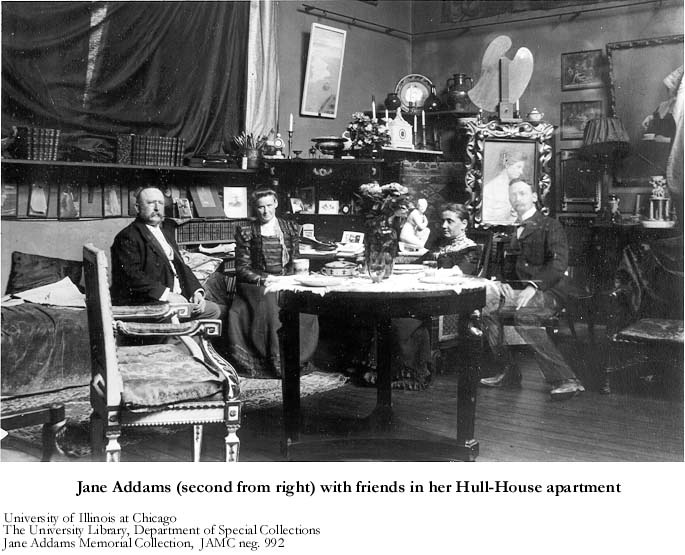
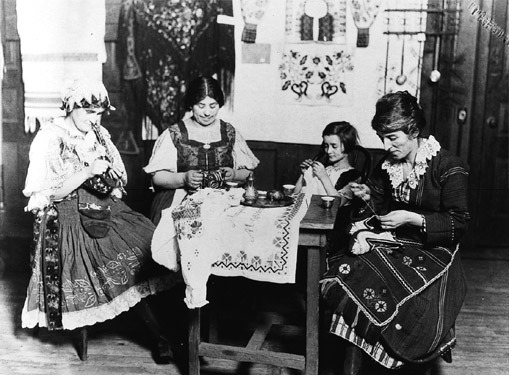
At the same time as the idea of City Beautiful was taking place, there was a more civic movement happening. The walls of the Hull House contained the Arts and Crafts movement where Jane Adams ensured that craftsmanship was preserved through the teaching of skills like book binding, wood work, and ceramics. This trend took off! While City Beautiful focused on elevating the public realm, the Arts and Crafts movement emphasized intention and beauty within the home. Together, they suggested that a well-designed city and a thoughtfully crafted home could shape not just spaces, but the people living within them.
“Among the educated reformers sheltered in cloistered spaces, Jane Addams condemned the “ugliness” of neighborhood streets as a primary cause of disorderly habits and moral retardation in West Side children.”
The Plan of Chicago didn’t emerge from nothing, it was born out of ambition, privilege, and a very particular belief about who should shape a city and why. It was a response to chaos, but also a projection of control. Burnham and the members of the Commercial Club of Chicago weren’t just reacting to the city as it was; they were imposing a vision of what they believed it should be, orderly, beautiful, and, above all, aspirational.
And yet, for all its elitist undertones, parts of that vision stuck. The lakefront remains open and accessible. The boulevards still connect neighborhoods, to an extent. The idea that green space is a public good, not a luxury, became foundational to how Chicago functions today. It’s complicated because while the plan aimed to “uplift” the masses, it often overlooked the very people it claimed to serve.
Still, this first phase tells us something important: cities don’t just grow, they are imagined. And in Chicago’s case, that imagination came from a small group of powerful men who believed beauty could be a form of social order. Whether that belief was naive, self-serving, or quietly transformative is up for debate but its impact is still written into the streets, parks, and shoreline of the city we know now.
Books for further reading
Episodes to Reference

.png)