
.png)
The Green Book functioned as a guide to Black Americans all over the country. On this episode we spend a day travelling through Chicago from the lense of the Green Book.
We often spend days looking for one single thread that helps us unravel a story. It often takes even longer when the story is set on the South Side of Chicago. We look for publications, ads, cookbooks, letters, and anything else that would have documented that time period for even a glimpse into what life would be like. One thing that never fails us is the Negro Motroist Green Book. Published between 1936 and 1966, this guidebook offers a great lense into the life of Black Americans at the time. This week, we use the Green Book to trace the enduring legacy and community of Chicago's South Side.
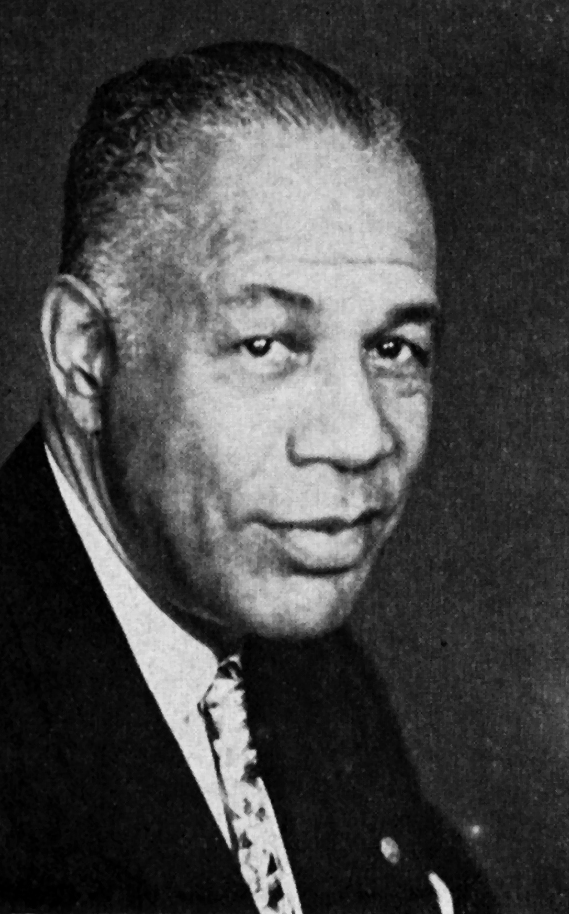
Victor Hugo Green, born and raised between NYC and NJ, worked as a postman for many years. He began collecting information about places to visit that were safe for Black Americans. At the time that he began doing this in the early 1930’s, the Black middle class significantly boomed,, therefore, an increase in car ownership, and eventually an interest in travel. Black families were taking road trips but often ran into businesses that would turn them away, towns that were dangerous after dark, also known as sundown towns, and areas that just didn’t have places that would service them. Green compiled his list into a 16 page booklet and published it in 1936, to his surprise, people wanted more.
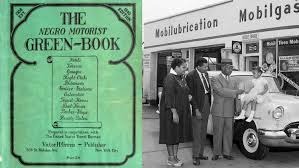
The book's unstated criteria included businesses that were either majority Black-owned or were known to welcome Black clientele. They needed to be safe and accessible. The early copies of the book were limited to the areas that Green had travelled to, but with the rapid popularity, he expanded his reach to other states.
As the Green Book expanded its reach across the country, one city became an essential stop for Black travelers and new residents: Chicago. Many black working class folks had moved up to Chicago and so families came to visit, people heard of the beaches, offering a variety of things to see here. As families made their way up, there was plenty for them on the pages of the Green Book. In this week’s episode, we took you, our listeners, on a few stops along the way. Our favorite stop is always Chicago’s Home of Chicken and Waffles which is on the historic King Drive. This location was once the Ritz Hotel. Our second stop is the YMCA on Wabash which is the location that Negro History Week started in 1926. It’s no longer active, but remains an iconic location in the neighborhood.
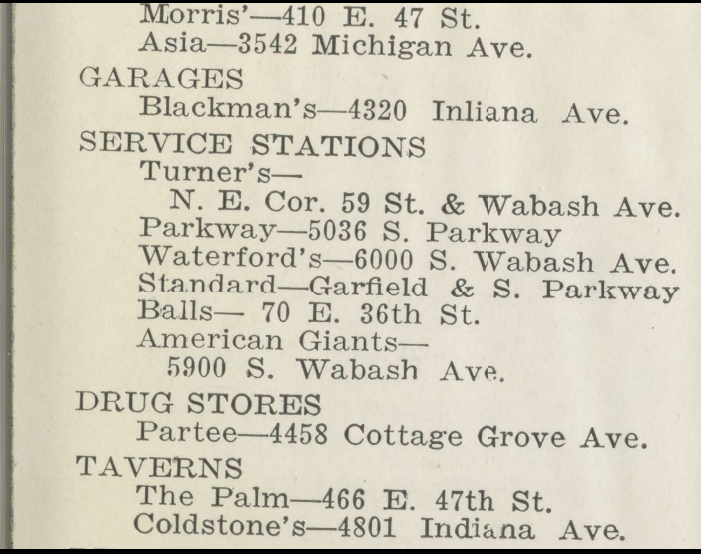
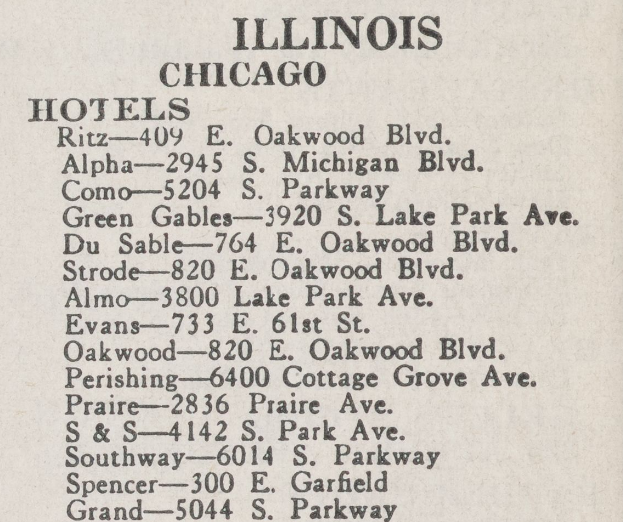
While walking down the street, a patron of the church next door came up to us asking what we were up to and proceeded to let us know that St Thomas Episcopal Church was the first black Episcopal church in Chicago and the second in the country. On our walking tour of the church grounds, it was pointed out to us that the building next to the church admin building was Margaret Burroughs home, the original site of the DuSable Museum.
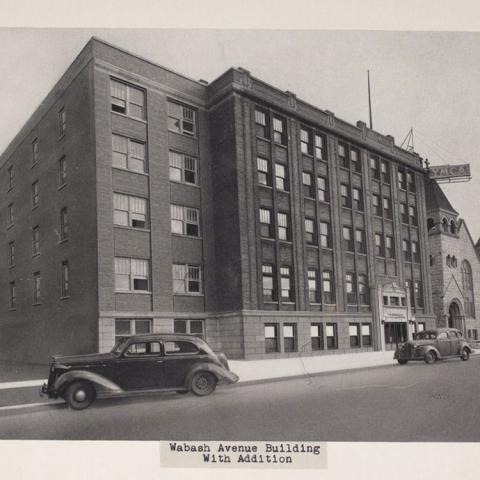
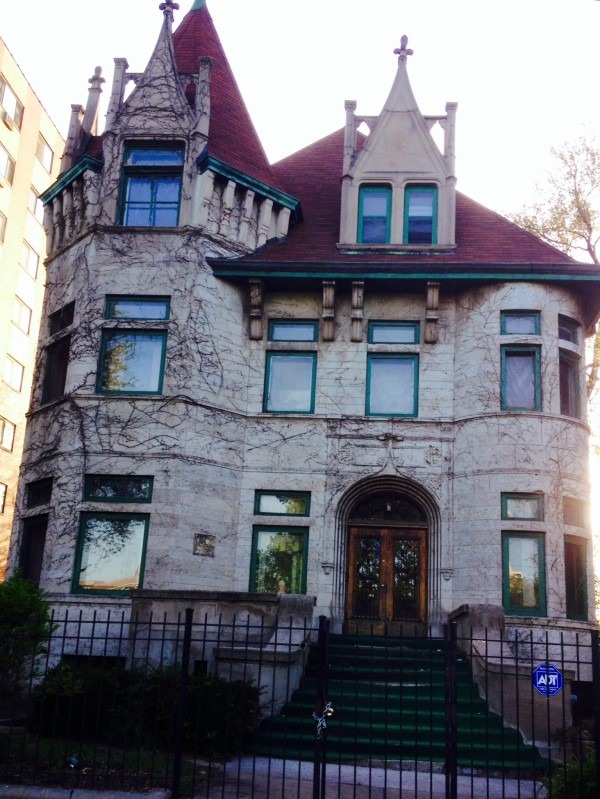
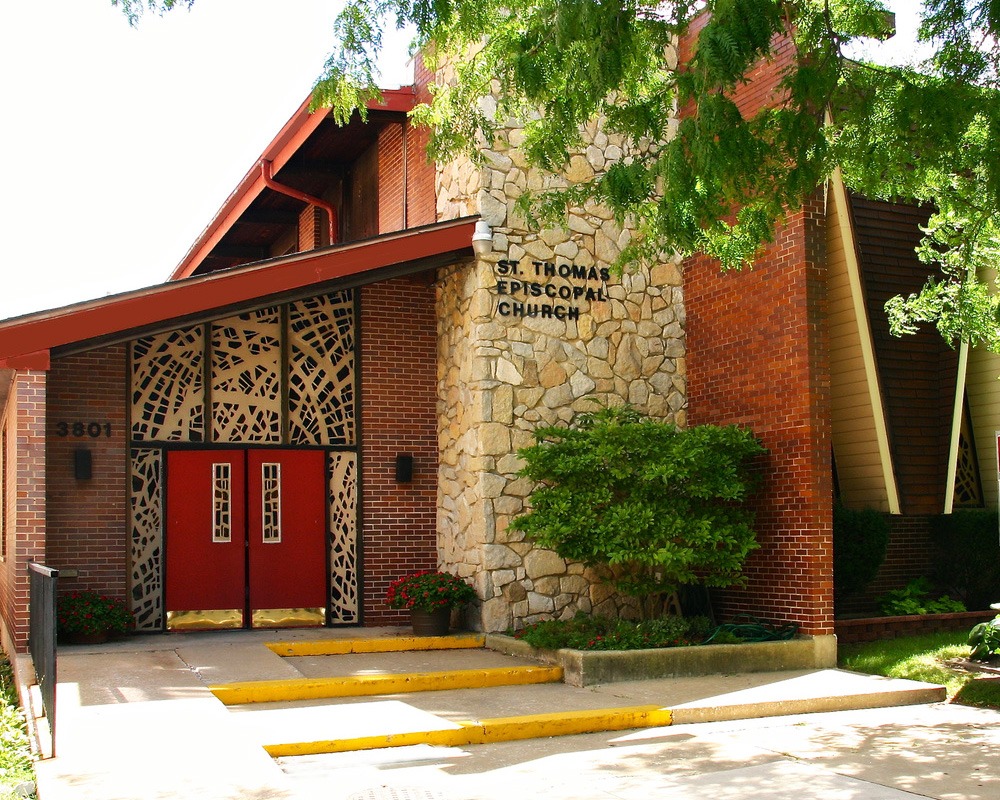
We ended our day at the sight of the Sunset Cafe. Once a black and tan club that allowed white people and black people to socialize with minimal danger to black people, a safety level other parts of the city or country did not offer. The location of the cafe is now a beauty supply store. When you walk in, step all the way to the back and you’ll find the last remaining piece of the Sunset Cafe: a mural and the original stage.

Purchase a copy of the Green Book https://www.smithsonianstore.com/negro-motorist-green-book-compendium-11198/?srsltid=AfmBOopZa2dgrORNstFqQ44PhsM7AKTb3Ed6UYyr68V6-Znp2fW1rKEx
New York Public Library Digital Access to The Green Book

%20(1).png)