
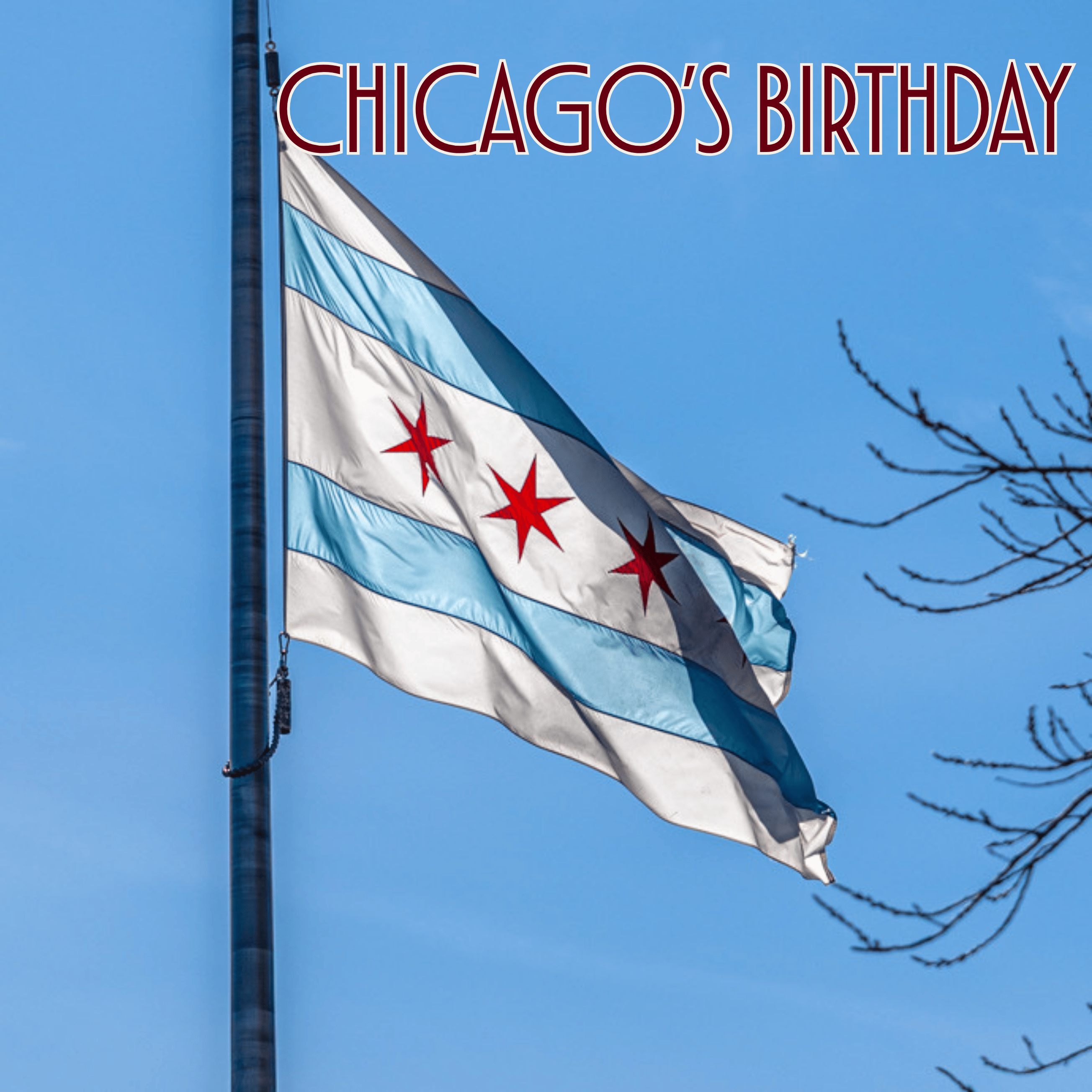
This week is one of our favorites. Chicago turns 189, it’s Women’s History Month, and you can finally feel that little hint of spring in the air. There was no way we were skipping a celebration of Chicago’s birthday so we did what we love most: dove.
This week is one of our favorites. Chicago turns 189, it’s Women’s History Month, and you can finally feel that little hint of spring in the air. There was no way we were skipping a celebration of Chicago’s birthday — so I did what I love most: dove into the archives and started reading old newspaper articles.
Chicago Spirit in a Phrase
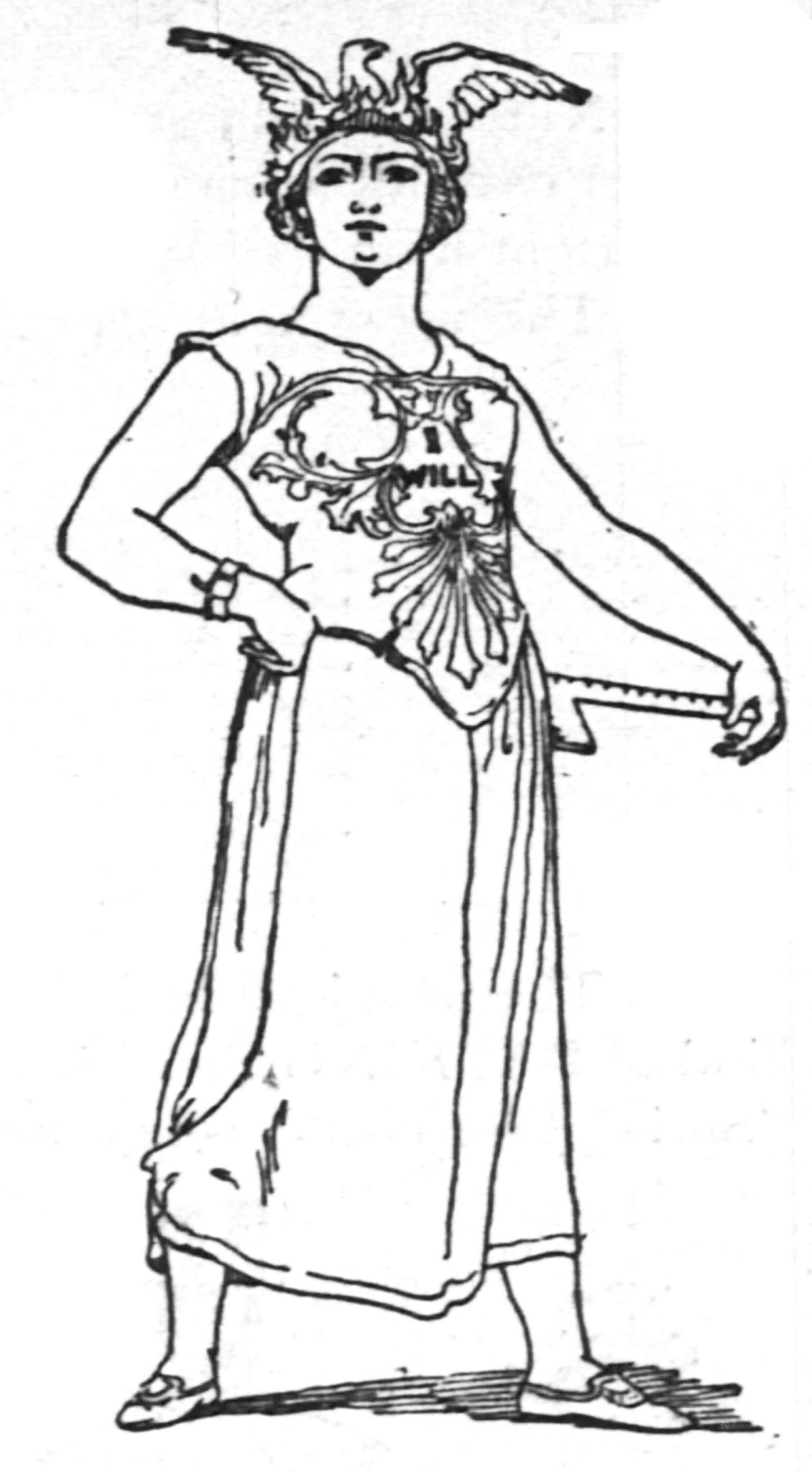
“It was an age when people were interested in these kinds of symbols, like Paris with the Eiffel Tower. Chicagoans thought they should have something like that,” Chicago historian Perry Duis once said about the origins of the ‘I Will’ motto and how it came to be. The motto was just a marketing tactic of course, but it brought together a judging committee like Mr. Thomas Nast, the famous cartoonist, Mr. Lyman J. Gage, President of the First National Bank, and ex-President of the World’s Columbian Exposition, Mrs. Potter Palmer, President of the Board of Lady Managers of the World’s Columbian Exposition, Miss Harriet Monroe, author of the “Columbian Ode” to be rendered at the dedication of the Columbian Exposition, and Mr. W. M. R. French, director of the Art Institute.
The competition promised a $200 prize to the first-place winner, and from it emerged the now-iconic ‘I Will’ Woman. She became the symbol used for the World’s Fair the following year appearing on coins, postcards, flyers, and even buildings across the city.
The Charter Centennial Celebration
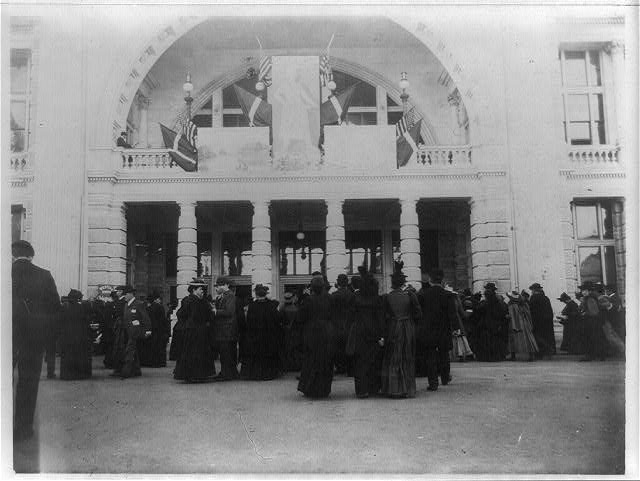
Imagine the city entirely too loud (louder than usual), with festivities stretching from Lincoln Park to Englewood and as far west as the Chicago Stadium. Oh, to have been there that day. The celebration ran from March 4th to October 9th — Chicago Day. This was the Charter Centennial Celebration of Chicago. The Mayor was Edward Joseph Kelly and he started his day receiving a congratulation from the Foreign Councils and their attaches as they had “motor[ed] south in Michigan avenue to Randolph street, then west to State street, south to Jackson boulevard, west to La Salle street and north to the city hall.” Chicago Tribune, March 4, 1937
The celebrations officially began in Lincoln Park at the site of the current Chicago History Museum. Mayor Kelly hit the gavel that once belonged to Mayor Ogden, Chicago’s first mayor, and this would have created a ripple effect across the city.
“The old brass cannon in the Fort Dearborn replica on the lake front in Burnham park will fire a salute. This will be echoed 98 times by a battery of the 122d field artillery, Illinois National Guard. The old cannon will fire the hundredth shot. Then railroads and factories will loose their whistles, church be rung, boat and horns and sirens will sound. This tribute of sound will last for about a minute. The mayor then will make a three minute broadcast, which will be carried by W-G.N.” Chicago Tribune, March 4, 1937
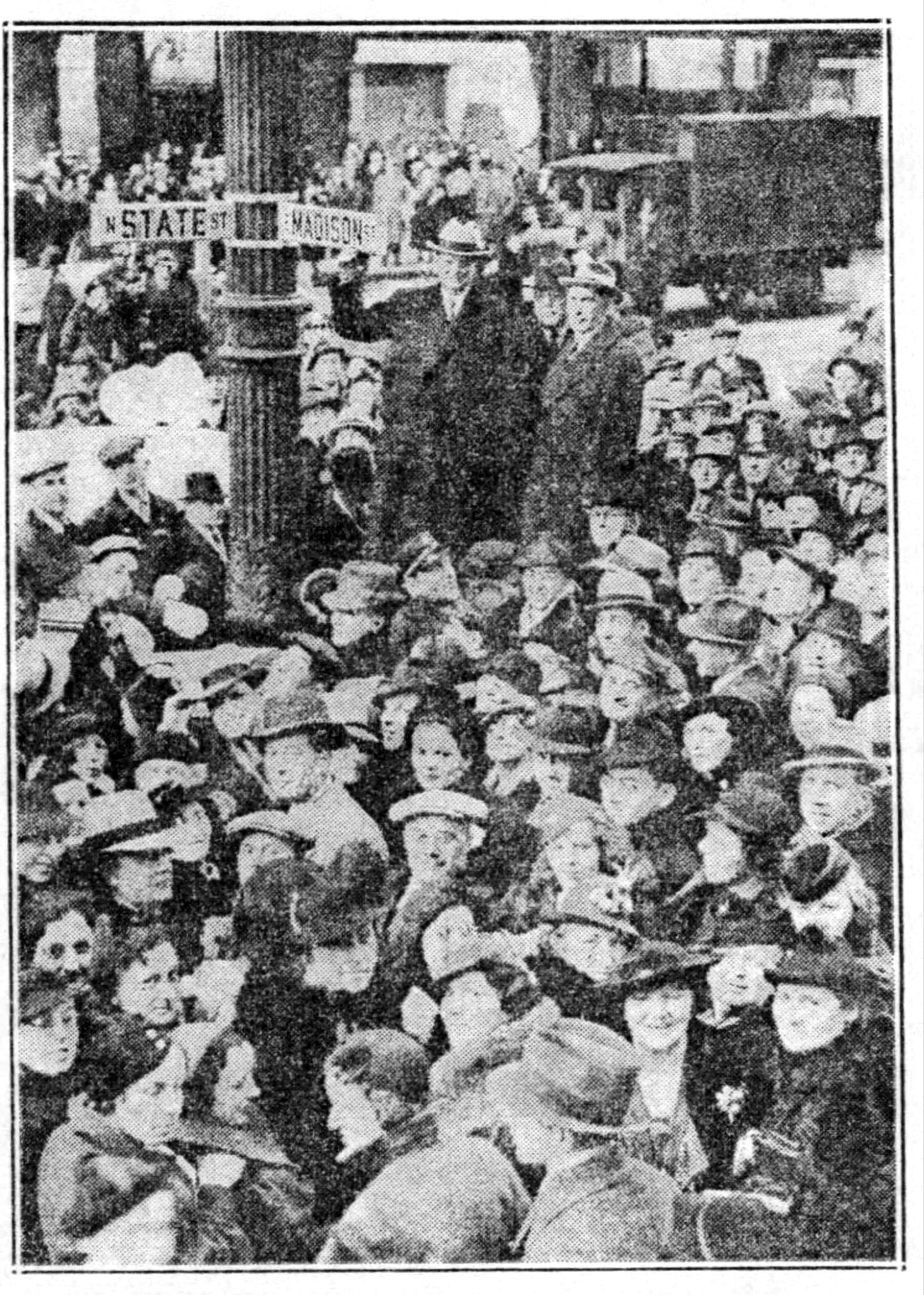
One of our favorite things that took place that day were the street signs that were upgraded. This was meant to put Chicago on the map and solidify its standing.
“A high point of Charter day was Mayor Kelly’s placing of a new street sign at State and Madison streets. This was the first of 16,862 new signs that will mark Chicago corners.” Chicago Tribune, March 4, 1937
The celebrations ended at the Chicago Stadium at around 8:30pm. Around 10,000 people showed up to commemorate the Charter Centennial.
We Will
Looking back at both celebrations, it’s fascinating to consider how those symbols hold up today. The ‘I Will’ motto may have taken a back seat to other prominent Chicago emblems, but it still finds new life in art, sculpture, and reinterpretation. The original 1892 bust of the ‘I Will’ Woman now lives in the collection of the Chicago History Museum, yet her image has been reimagined time and time again
In 1981, Ellsworth Kelly was commissioned by Friends of the Park to create a sculpture, a commission he ultimately completed without accepting a fee. The piece was installed in Lincoln Park at the site marking the end of the Chicago Fire, layering new meaning onto an already symbolic space.
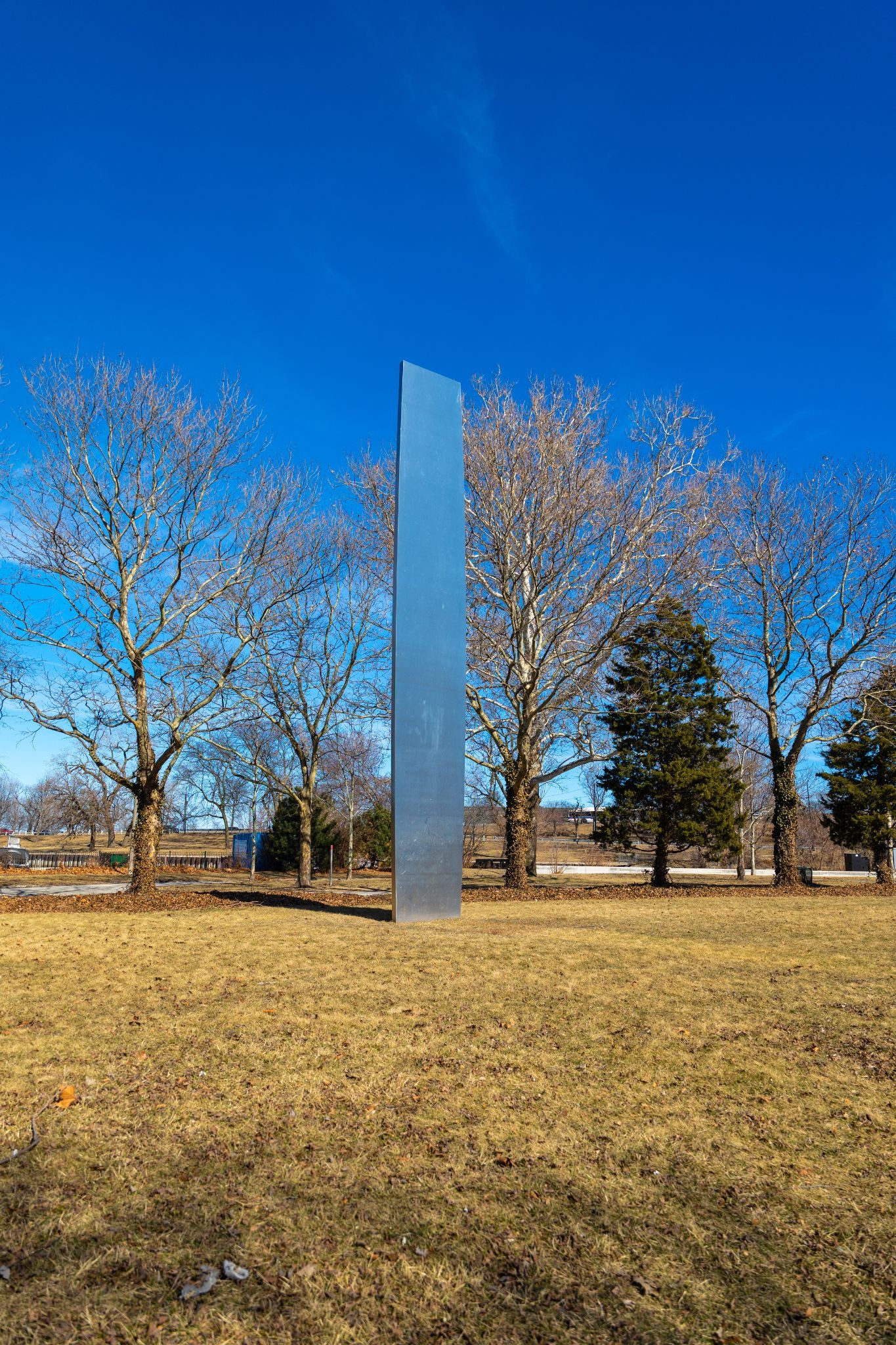
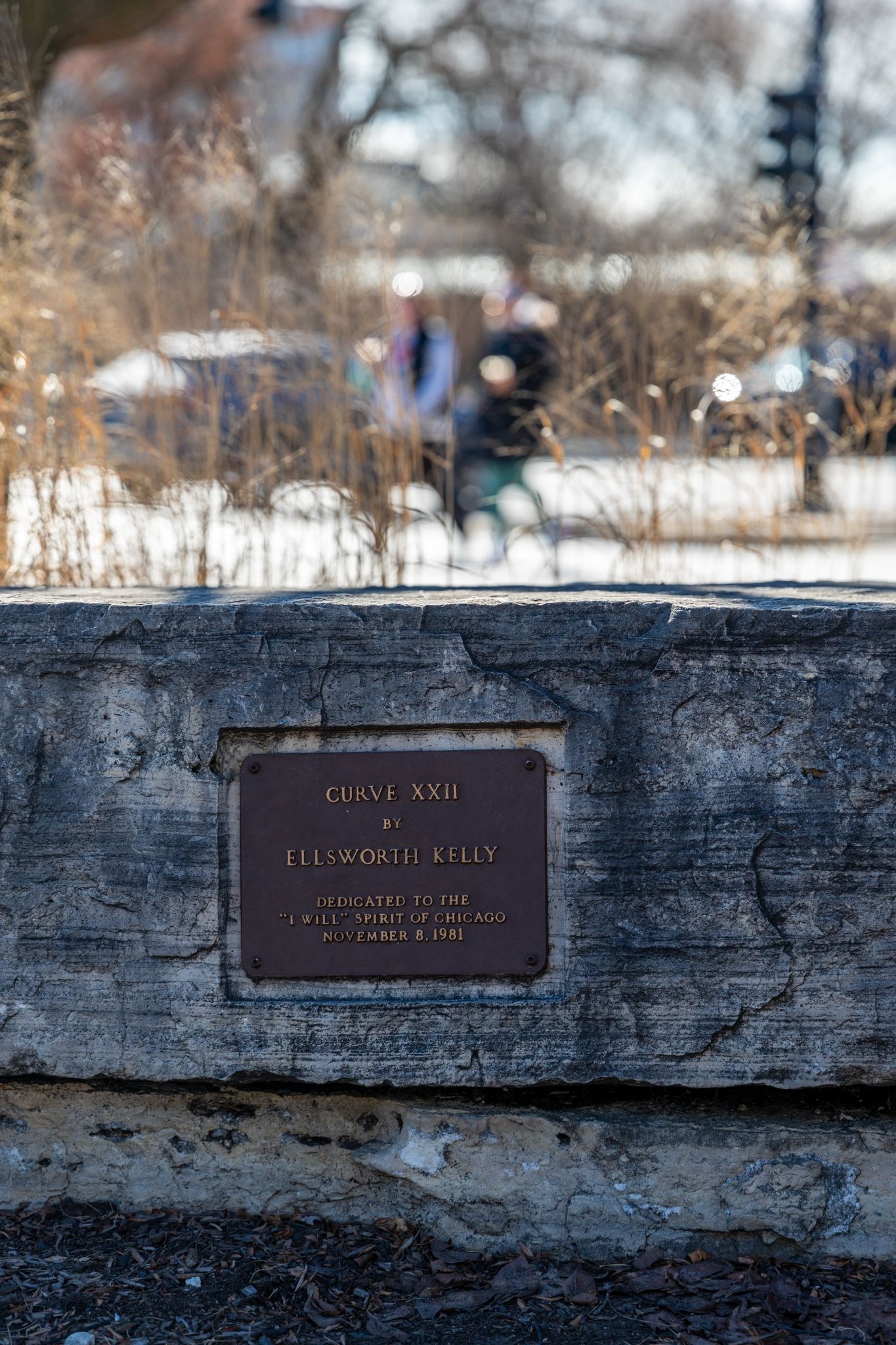
The motto was redefined once more in 2005 by Richard Hunt. His sculpture, “We Will,” stands on Randolph Street across from the Chicago Cultural Center. It serves as both an homage to the original phrase and an evolution of it — shifting the focus from individual ambition to collective spirit. Hunt intended it to capture exactly that: community.
“‘We Will’ also captures the structural elements of a ladder. The ladder is a theme Hunt has employed dating back to his major installation at the Carter G. Woodson library Jacob's Ladder (1977) referencing the African American spiritual of the same name. The ladder represents progress, ascension, and freedom in Hunt's work which, in ‘We Will’, captures the spirit of the progress of the city of Chicago as well as the aspirations of a people while updating the old ‘I Will’ motto to a statement of community, rather than individual, success.” Public Art Archive

.png)
.png)
