
.png)
The roar of Chicago in the late 19th and early 20th centuries was not just the sound of industry and stockyards; it was the rising collective voice of women demanding influence, education, and reform all from the halls of social clubs!
The roar of Chicago in the late 19th and early 20th centuries was not just the sound of industry and stockyards; it was the rising collective voice of women demanding influence, education, and reform. Far from the halls of government, these voices were first amplified within the elegant, often unassuming walls of women's clubs, institutions that were simultaneously havens for self-improvement and clandestine engines of social change. The history of Chicago's development is incomplete without tracing the impact of these organizations. They provided the intellectual and organizational springboard for women to step out of the domestic sphere and into the civic arena.
Middle and upper class women had no place in the professional world that their husbands occupied, their education was limited to early schooling, and they spent their days managing homes and social calendars. Now of course, this is a generalization since there were women that were artists, journalists, authors, etc. but that was not the norm. Through their social relationships, the upper middle class women of the 19th century found common ground in their responsibility for civic betterment. Hence the birth of the social clubs.
“It was journalist Jane “Jennie June” Croly in New York and anti-slavery advocate Julia Ward Howe in Boston who first brought together their peers, in 1868, to usher in the women’s club movement that would sweep the nation by the turn of the century. These women decided to ignore customary restrictions and insisted on developing their minds and communities by meeting regularly in order to learn about the great ideas of the past and contemporary urban problems together.” - National Women’s History Museum
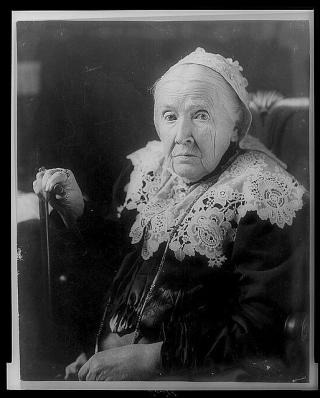
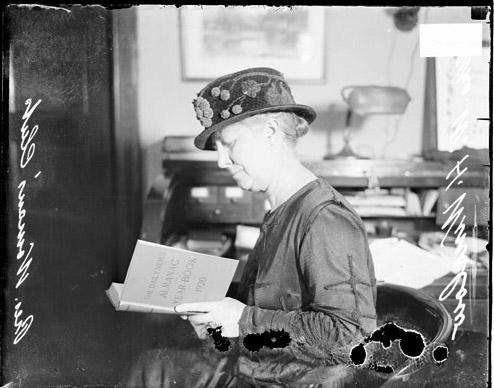
An increasing number of women were interested in joining these social clubs, and the women of Chicago were amongst the first. In 1876, twenty one women, including Jane Adams, Julia Lathorp, and Lucy Flower founded the Chicago Woman’s Club, later Chicago Women’s Club. The goal was to create a city where women contributed and participated in state-building reform, social welfare, and reform movements. They believed that women had a moral responsibility to influence public policy for the betterment of society. They did not work alone. Clubs were emerging all over the country and women were meeting from different parts to discuss issues of suffrage, child labor, prohibition, and every other issue that affected the daily lives of women.
“The Chicago Woman's Club also worked in conjunction with other elite white women's clubs through the League of Cook County Clubs. League delegates returned to their respective clubs to organize them around key pieces of legislation, such as the truant school bill.” - Encyclopedia of Chicago
Although the Social Clubs could be credited with a lot of progression in the women’s rights movement, there was one very important group that was left out of these rooms. Black women across the country were still not allowed into these exclusive clubs; members were screened based on race and class. In the case of the Chicago Women’s Club, one black woman was admitted. Frances “Fannie” Barrier Williams, educator, political and women’s rights advocate, musician, and portraitist became a member of the club after a fourteen month deliberation.
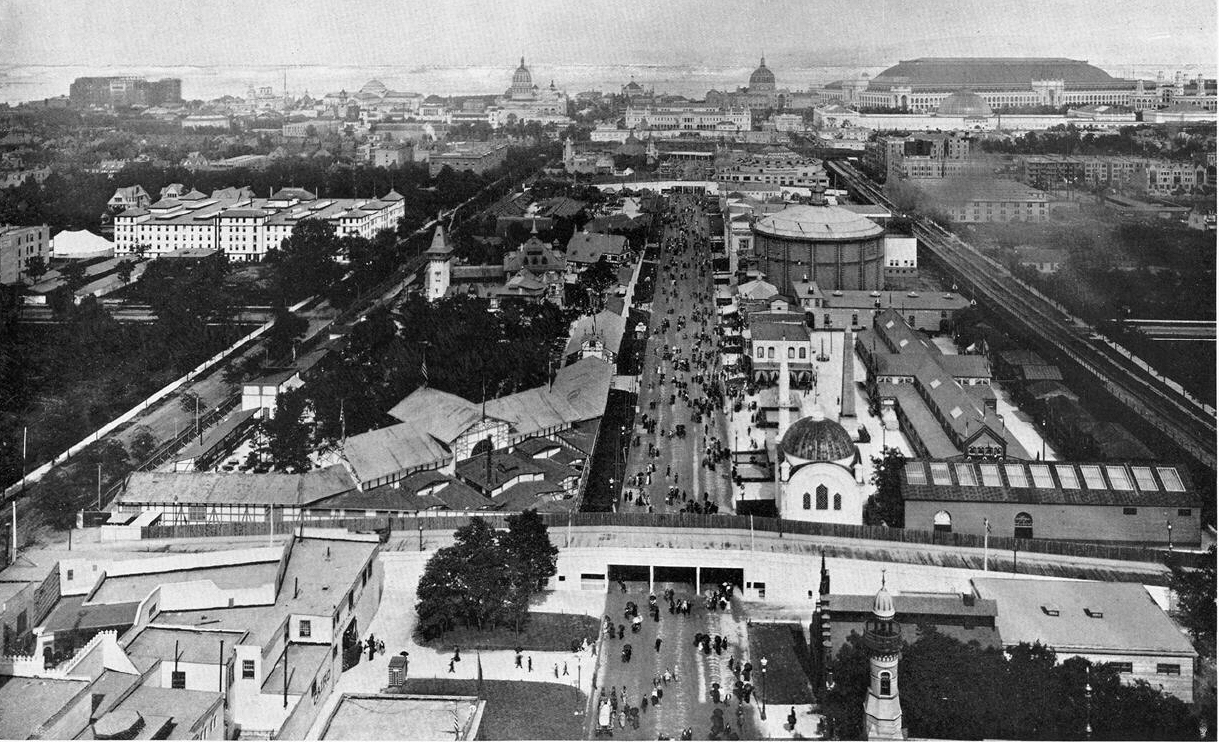
“Williams became well known for her efforts to have Black people officially represented on the Board of Control of the 1893 World’s Fair. She helped found the League of Colored Women, the National Association of Colored Women, the National Federation of Afro-American Women, and the National Association for the Advancement of Colored People, better known today by its acronym NAACP. She was both the first woman and the first Black American to be named to the Chicago Library Board. She was associated with both Frederick Douglass and Booker T. Washington and was the only Black American chosen to eulogize Susan B. Anthony and the National American Woman Suffrage Association convention in 1907.”
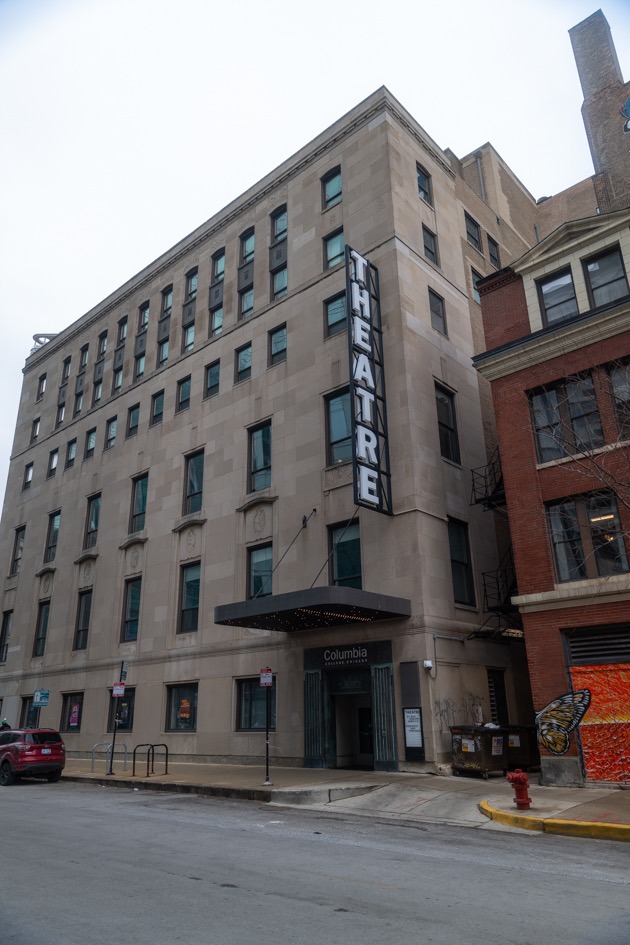
“Fifty-three years and ten blocks removed from the struggling organization of its early days, the Chicago Woman’s club today is a reincarnation as it takes possession of Its new home at 11th street and Michigan boulevard. Dowager that it is among Chicago woman organizations no debutante on the list can demonstrate more vivacity than impending events in the new club will require.” - Chicago Tribune, April 16, 1929
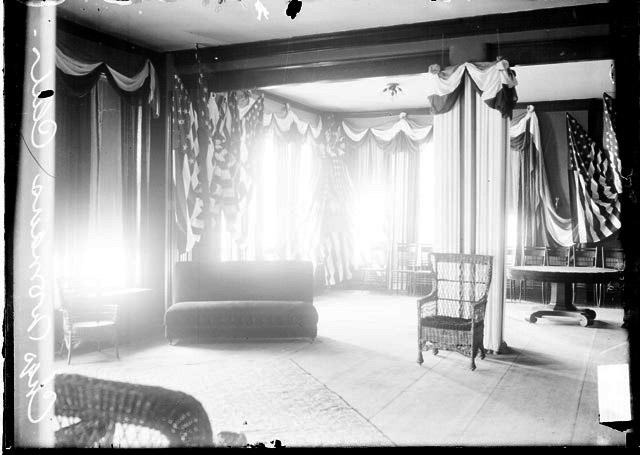
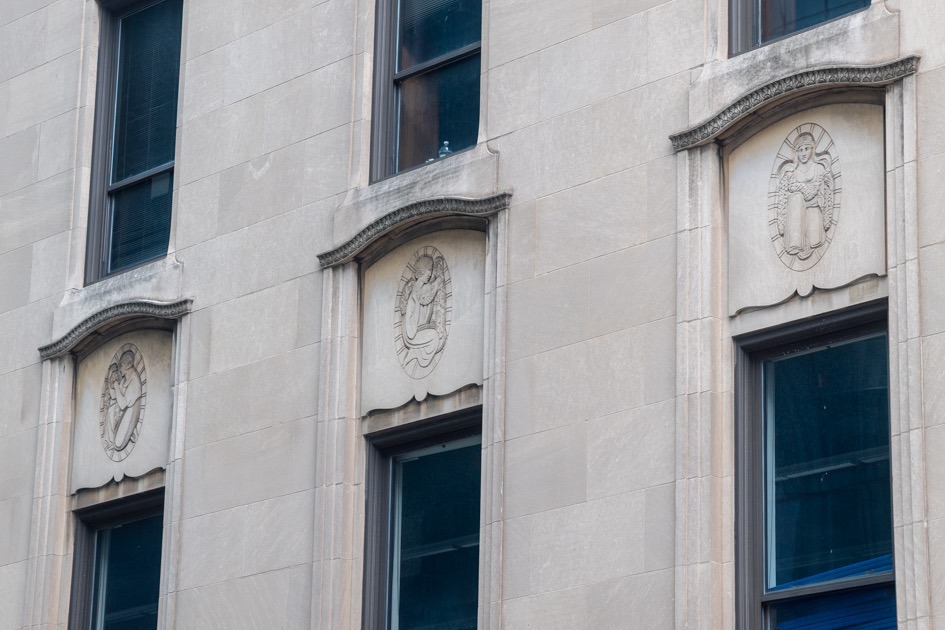
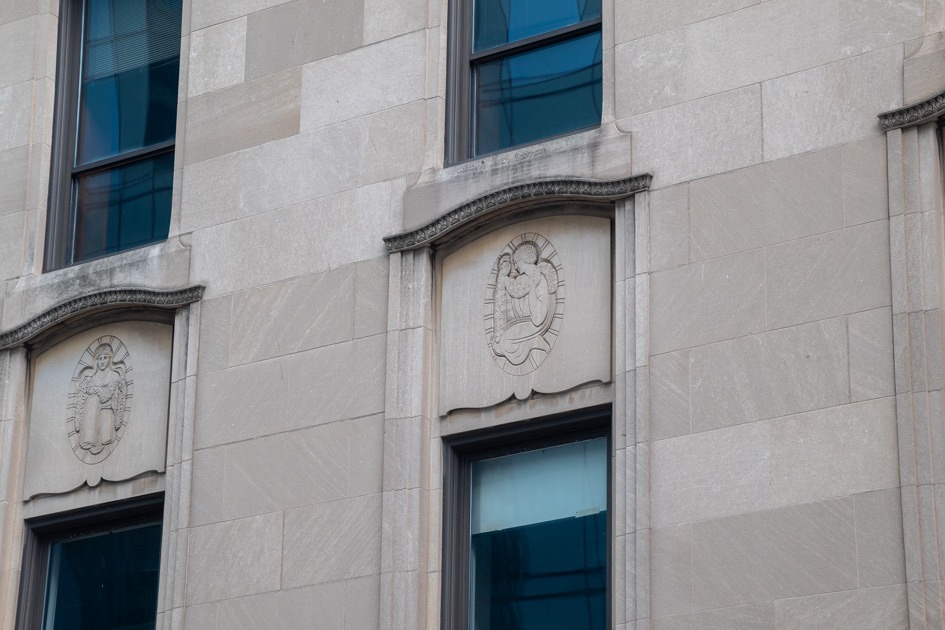
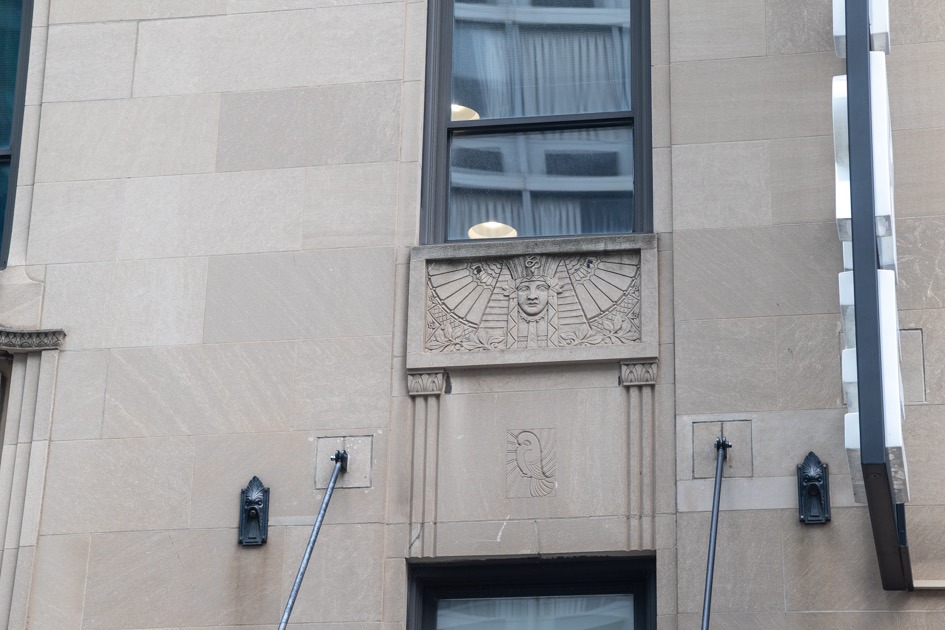
The building today is owned by Columbia College and is home to the Getz Theatre. If you were passing by, you couldn’t really tell that this was a place where the trailblazing women of Chicago would gather. A place filled with custom furniture that was made specifically for the Club, and masonry that was meant to represent everything these women stood for.
Books and Movies

.png)
%20(1).png)