

How many statues of women exist in the city of Chicago; people have asked this question every year in March for the last decade at least! What I found most surprising is that we’re still getting the same answer.
Often when we delve into the research, we find a string that quickly unravels a juicy story. This week, it was harder for me to formulate a storyline. We’re not the first to question how many statues of women exist in the city of Chicago; people have asked this question every year in March for the last decade at least! What I found most surprising is that we’re still getting the same answer. Why are there only a handful of monuments dedicated to women, and why are they almost never of their face?
At the height of BLM in 2020, there were a few different instances where the city attempted to take down statues of men that were either colonizers, slave owners, or just straight up racist horrible people. As always, there was some pushback but my concern here isn’t to convince you that we need to take a statue down (even though it is obvious), but to shed some light on the importance of sculptures, monuments, statues etc.
Public art doesn’t necessarily tell history, it’s a clear tell of what society deems important and worthy of display. Removing the statue of Christopher Columbus for example, doesn’t erase the atrocities he committed, rather it sends a message that we as a society no longer celebrate or commemorate him.
In 2015, Chicago Parks District had zero statues of notable women. Dorthy from the Wizard? Sure! A few mermaids? Absolutely! WBEZ dove into this and the reason they were given seemed so odd:
"According to the Chicago Park District, there are no statues of women in our city’s parks because the heyday of public figurative sculpture in the United States took place at a time before women had earned the right to vote.”
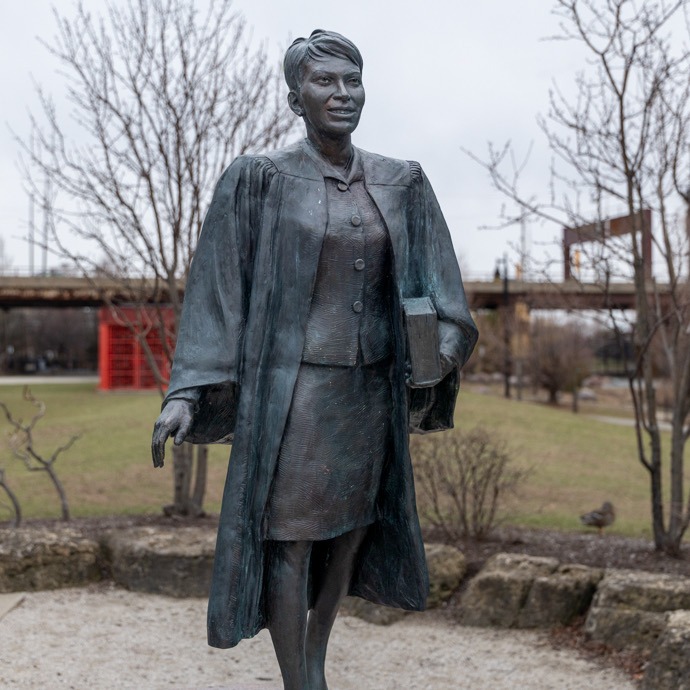
Over the last couple of decades, in an attempt to rectify, the Park District has named and renamed about 66 parks (out of a total of about 600 parks), to honor notable women. Is that enough? Currently the sculptures of women in the Park District include Gwendolyn Brooks (2018) and Judge Laura Liu (2017). You could count the monument to Jane Adams, but it doesn’t include her face, and if you didn’t do your own research, you could easily miss the point.
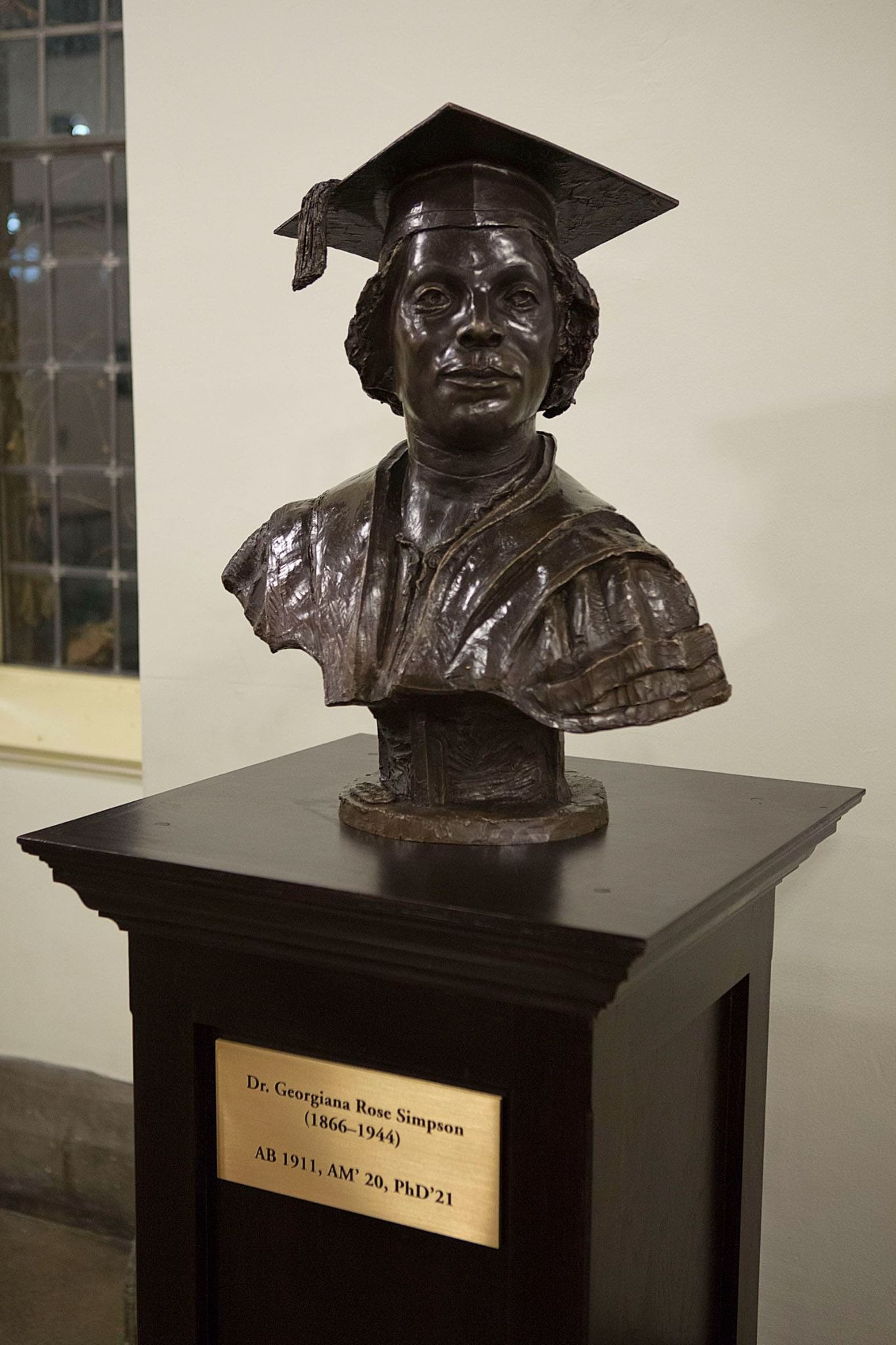
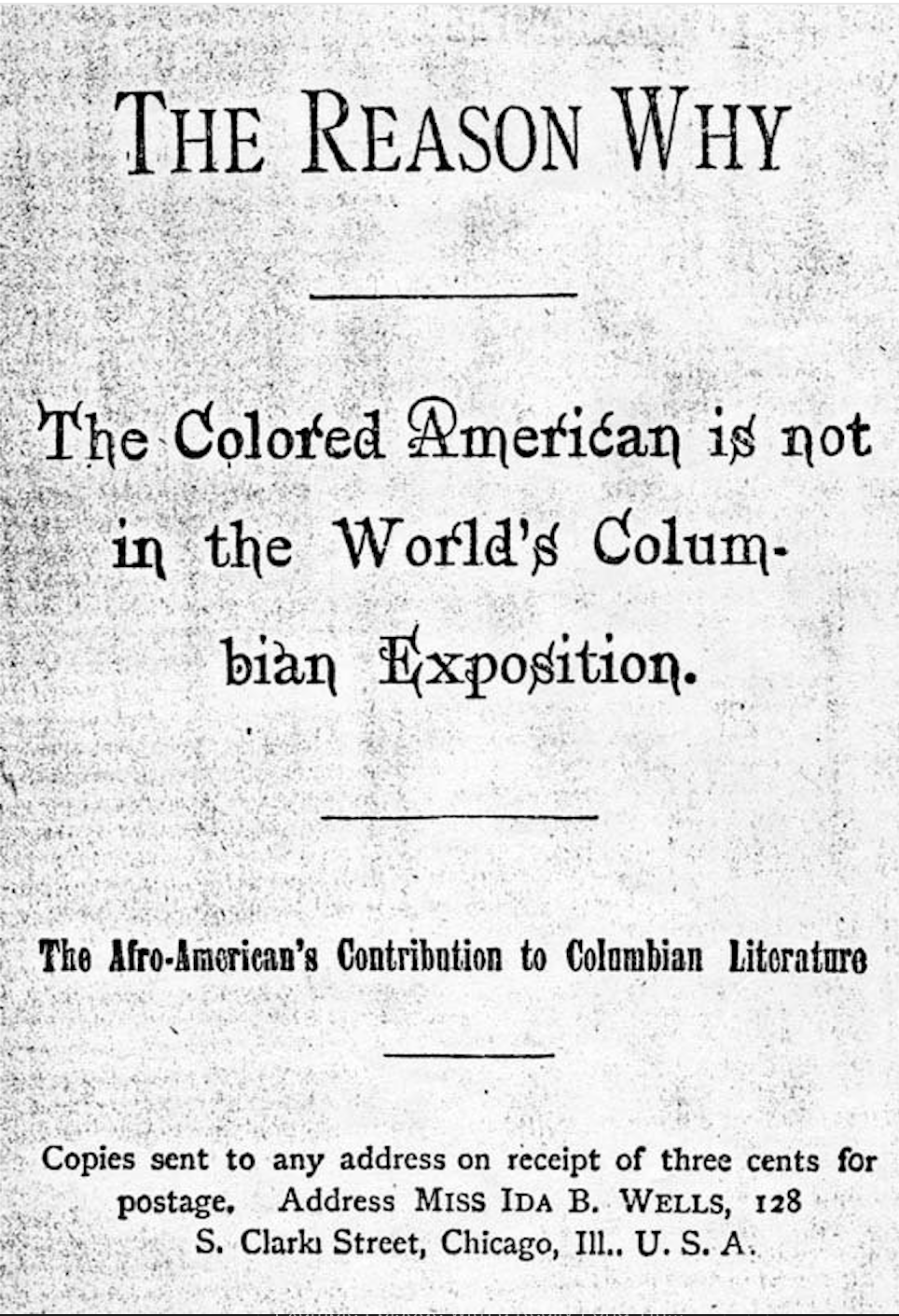
Representation doesn’t expand outside of the Park District. There’s Mahalia Jackson Court, which is a community gathering space with no physical sculptures, Richard Hunt’s Light of Truth dedicated to Ida B. Wells, and a bust of Georgiana Rose Simpson, the first Black woman to earn a PHD in the U.S. which happens to have been at the University of Chicago.
...but this issue isn’t just in Chicago. Representation of women in public art is a problem in every city. New York faces similar statistics but the most shocking was that Central Park has 22 statues of men and until 2020, none of women.
Of the 5,193 public sculptures in the US, only 394 (8%) depict women. New York hosts 145 statues of men but just five of women. Only one of those is a woman of colour: political activist and abolitionist Harriet Tubman.
The most represented women in figurative sculpture are listed below. I urge you to keep in mind that this is probably not an entirely accurate depiction. There is no real idea of how many sculptures exist in total since this data is not tracked accurately.
These numbers reveal more than just a gap in public art, they reflect whose stories have historically been valued enough to be cast in bronze and placed in our public spaces. When the overwhelming majority of monuments celebrate men, the contributions of women, especially women of color, are pushed to the margins. Expanding representation in public sculpture is not simply about adding statues; it is about acknowledging the full breadth of history and ensuring that future generations see a more complete and inclusive reflection of the people who shaped our world. I leave you with a morsel of hope. Many of these shifts in public art happen because of passionate community demand and local artists who continue creating work they believe deserves to be seen.

Chicago Parks Have Zero Statues Of Women, 48 Statues Of Men
Women underrepresented in Chicago public art
First Monument to Women Finally Joins Central Park’s 22 Statues of Men
Central Park features 23 statues of historical figures; not one honors a woman. That’s changing.
10 Great Women Sculptors You Should Know
Bessie Potter Vonnoh, Trailblazing Chicago Sculptor

.png)