
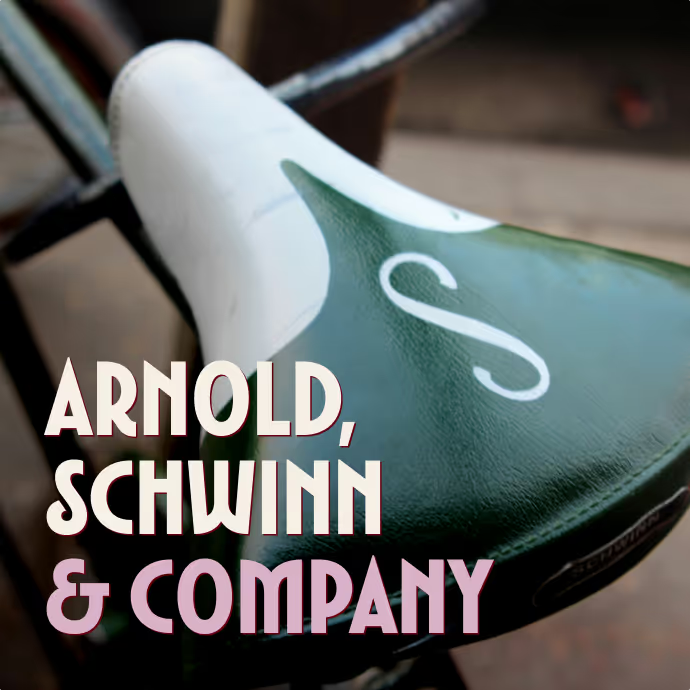
We’ve all heard of Schwinn bikes. Have you heard the story though? You already know we got the scoop for you. Come learn with us!
Chicago’s love affair with cycling goes back to the late 19th century, when the city became a hub for innovation and production in the booming bicycle industry. At the time, cycling wasn’t just a hobby—it was a movement. The League of American Wheelmen (now the League of American Bicyclists) helped pave the way for smoother roads, literally and figuratively, advocating for better infrastructure in a city bursting with bike enthusiasts. By the 1890s, Chicago was home to major manufacturers like Schwinn, turning out bikes that would shape the industry for decades. There’s something special about riding a Schwinn bicycle in Chicago. Whether you’re cruising along the lakefront or rolling through your favorite neighborhood, Schwinn has been a part of the city’s cycling culture for over a century—and it’s showing no signs of slowing down.
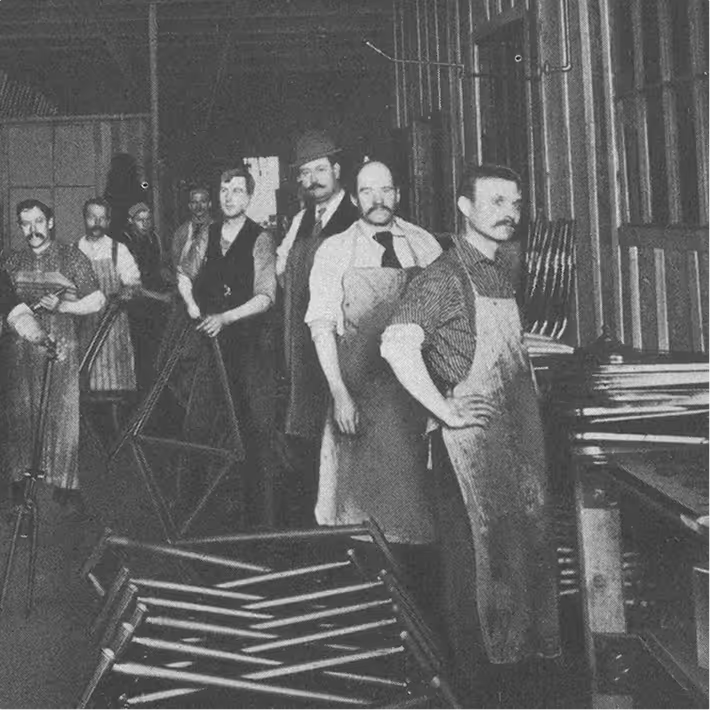
It all started with Ignaz Schwinn, who moved to Chicago in 1891 with a dream of creating something truly special. By the early 1900s, Schwinn Bicycles were rolling out of Chicago factories, and the city quickly became a hub for innovation in cycling. From day trips along the boulevards to competitive rides down Lakeshore Drive, Schwinn was the bike of choice for generations of Chicagoans.
Schwinn wasn’t just a bike—it was a way to experience the city. Whether you were a kid learning to ride on the sidewalks of Lincoln Park or an adult commuting to work in the Loop, Schwinn helped shape the cycling community in Chicago. Group rides, family outings, and casual weekend spins were all a part of the Schwinn experience.
“Chicago has a long history of bicycle culture, dating back as far as the invention of the bicycle in the 1860s. While first models of bikes were heavy and expensive, improvements in design, manufacture, and affordability led to an explosion in popularity by the end of the 19th century. By 1900, Chicago boasted more than 50 cycling clubs, totaling more than 10,000 active cycling enthusiasts. At the time, Chicago was also a major manufacturer of bicycles, with approximately ⅔ of all bikes in the country manufactured within 150 miles of the city.”
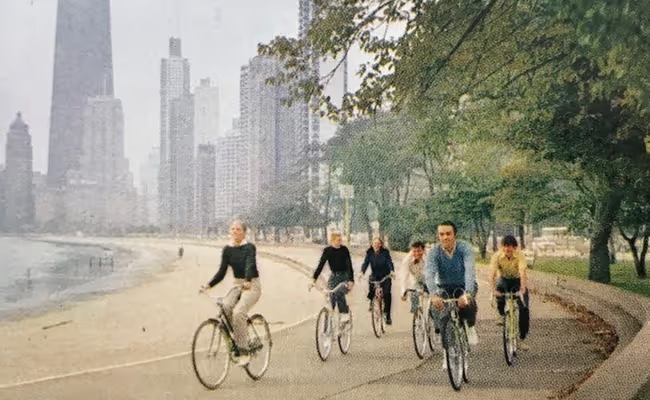
By the 1890s, the city boasted an estimated 150,000 bicycles, making it one of the most bike-friendly cities of the era. Cycling clubs like the Illinois Cycling Club and the Chicago Wheelmen thrived, organizing races, leisure rides, and advocacy for smoother roads—many of which laid the groundwork for today's bustling streets.The city’s flat terrain and expansive boulevards made it ideal for cycling, and it wasn’t long before bikes became a symbol of independence, transportation, and recreation for Chicagoans of all ages. Today, Chicago’s cycling culture thrives, with miles of bike lanes, thriving bike shops, and events like the annual Bike the Drive that bring this history full circle.

.png)
.png)